



































Sourcing Mobile Phones for Resale: What to Compare Before You Commit
A practical guide to comparing mobile-phone sourcing options, covering product scope, supplier evidence, acceptance criteria, and a worked hypothetical scenario.
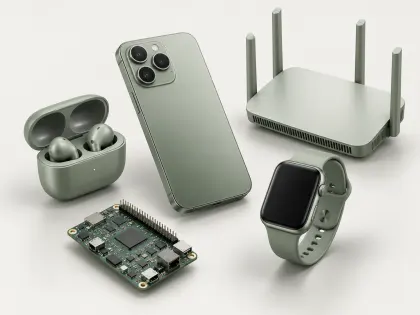
Mobile phones sit in an unusual corner of the electronics catalogue: they are high-value, quickly superseded, and subject to regional network differences that can make an otherwise identical model unsuitable for a given market. Whether you are sourcing smartphones, entry-level feature phones, or accessories that ship alongside them, the comparison should start with the exact use case rather than the lowest headline price.
Define the Product Before Comparing Suppliers
Start by writing a specification that a supplier can quote against. Useful fields include form factor, screen size and resolution, memory and storage, battery capacity, charging standard, supported cellular bands, SIM arrangement, operating system or firmware expectations, and whether the device is new, refurbished, or graded. For feature phones, add keypad type, display type, and whether basic data services are required. If you plan to bundle a charger, cable, or earbuds, list those separately so their cost and compliance implications are visible.
Network band support deserves particular attention. A phone built for one region may not operate fully on another region's frequencies. Ask the supplier to state supported bands per model and to explain how they are verified. Specialist review is appropriate here: a telecoms or compliance professional can confirm whether a candidate model meets the requirements of your destination market.
Compare Sourcing Options on Evidence, Not Claims
Different sourcing routes carry different trade-offs. A regional electronics directory, such as the Shenzhen or Dongguan clusters in the supplied catalogue, is a starting point for finding suppliers and intermediaries; it is not a verification of any individual factory. Treat a directory listing as a lead, then request evidence directly.
For each candidate supplier, ask for: business registration details; the factory or assembly partner actually used; production and quality-control process descriptions; sample availability and lead time; packaging and labelling approach; warranty terms; and how after-sales returns are handled. Where a supplier claims certification, ask for the certificate and the testing scope rather than accepting a logo. Compliance requirements vary by market and product class, so confirm current rules with a qualified specialist.
Cost comparison should be like-for-like. Build a landed-cost sheet that includes unit price, packaging, freight, insurance, duties or taxes where applicable, payment fees, and an allowance for warranty claims. A lower unit price with weak after-sales support often costs more over a season.
Set Acceptance Criteria Before Shipment
Acceptance criteria turn a specification into something measurable. Typical checks for a phone shipment include: quantity and model mix against the purchase order; IMEI or serial-number records where applicable; cosmetic inspection against an agreed defect scale; screen and touch function; button and port function; charging and battery behaviour; camera, speaker, and microphone function; network registration in the intended bands; firmware version and language set; and accessory contents. Agree the sampling plan and the acceptable quality level in advance, and state what happens if a batch fails.
A Hypothetical Scenario
Suppose a small retailer wants 500 entry-level smartphones for a regional market, with a target retail price that leaves limited margin. The buyer shortlists three offers: one from a trading company quoting a low unit price with no factory details; one from an assembly-focused supplier in Dongguan that provides a sample, a process description, and a warranty term; and one from a Shenzhen supplier offering a slightly higher price with documented band support and a clear returns process. In this hypothetical, the middle and third options are easier to evaluate because they answer the specification directly. The buyer orders samples from both, tests network registration, battery behaviour, and build quality, then negotiates volume pricing and a written acceptance standard. The lowest-priced offer is not rejected automatically, but it cannot be compared fairly until it supplies the same evidence.
Actionable Checklist
- Write a model-level specification, including supported cellular bands and firmware expectations.
- Separate device, accessories, and packaging in the quotation.
- Verify the supplier's role: factory, assembler, or trader, and who handles quality control.
- Request samples and test them against the specification before committing to volume.
- Agree a sampling plan, defect scale, and failure remedy in writing.
- Build a landed-cost sheet rather than comparing unit prices alone.
- Confirm warranty, spare-parts, and returns procedures.
- Obtain specialist review for market compliance and network compatibility.
- Keep records of serial numbers and batch codes for traceability.
- Re-test a production sample before each repeat order, since components and firmware can change.
Share the product, specifications, quantity and destination to discuss sourcing options.